Sell A Car Or Trade In: Key Factors To Consider For Maximum Value

sell a car

Car owners face an important decision when it’s time to get rid of their vehicle. They must choose between trading it in at a dealership or selling it themselves to another person.

Both options have clear benefits and drawbacks that affect the final amount of money received. Trading in or selling to a dealer is faster and simpler, while selling privately carries a financial advantage for most car owners. Understanding these differences helps people make the right choice for their situation.

Making the Choice Between Private Sale and Dealership Trade-In

When deciding between selling privately or trading at a dealership, car owners need to think strategically about their approach. The decision requires evaluating multiple factors beyond just the vehicle’s current market value.

Many people focus heavily on their car’s worth but miss other important parts of the transaction. Smart sellers consider these key elements:

Financial Considerations:

  • Potential profit difference between options
  • Time investment required for each method
  • Tax benefits from trade-in transactions

Practical Factors:

  • Convenience level preferred
  • Experience with car sales
  • Current market conditions

The most successful approach involves thinking like a professional dealer. This mindset helps car owners understand negotiation tactics and recognize opportunities that others might overlook during the selling process

The Key Number That Determines Your Best Choice

When deciding between selling privately or trading in a vehicle, car owners need to focus on one critical calculation. The difference between what they can earn from a private sale versus what a dealer offers for trade-in reveals the true financial impact of each option.

This calculation becomes the foundation for making an informed decision. Many people get caught up in comparing absolute values without considering the practical benefits each method provides.

Understanding Trade-In Values with Real Numbers

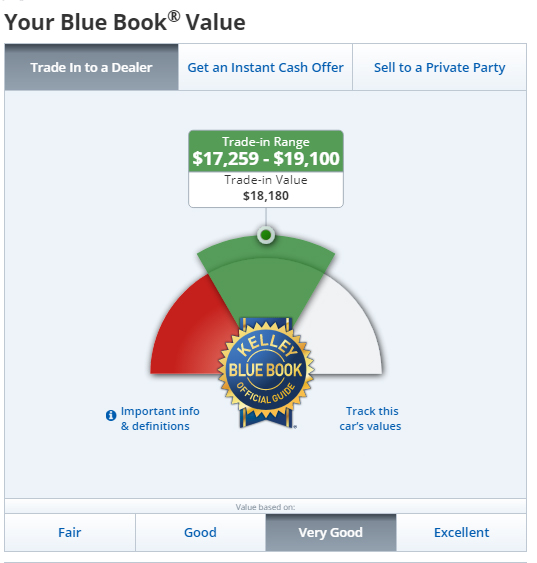
Car owners should start by researching their vehicle’s current actual cash value or market value, through established resources like Kelley Blue Book. These platforms provide value reports based on specific vehicle details and condition ratings.

The condition assessment significantly affects the final estimate. Values typically range across four categories:

  • Fair condition: Shows visible wear and may need repairs
  • Good condition: Has minor cosmetic issues but runs well
  • Very Good condition: Minimal wear with proper maintenance
  • Excellent condition: Nearly pristine with complete service records

Trade-in values versus private sale estimates can differ by thousands of dollars. The private party tab usually shows higher potential returns because individual buyers often pay more than dealers.

However, dealers factor in their operational costs and profit margins when making trade-in offers. They need to account for reconditioning, storage, and resale expenses.

When shopping for a new vehicle, car owners should collect trade-in quotes from multiple dealerships. Each dealer may value the same vehicle differently based on their current inventory needs and market demand.

The tax advantage calculation becomes crucial at this stage. Most states allow buyers to pay sales tax only on the difference between the new car price and trade-in value. This creates immediate savings that private sellers cannot access.

Here’s the tax benefit formula: Trade-in value × local tax rate = tax savings amount

For example, a $10,000 trade-in value with a 6% tax rate saves $600 in taxes. A private seller would need to receive $10,600 to match this financial benefit.

Private Sale Value Range Analysis

Private sales typically yield higher gross amounts than trade-ins, but sellers must account for additional factors. The marketing process requires time, effort, and specific skills to attract qualified buyers.

Vehicle condition plays an even larger role in private sales. Buyers inspect cars more thoroughly and negotiate more aggressively than dealers during trade-in evaluations.

Private sellers face several considerations:

  • Time investment: Creating listings, responding to inquiries, and showing the vehicle
  • Marketing skills: Writing compelling descriptions and taking quality photos
  • Availability: Being accessible for potential buyers’ schedules
  • Negotiation ability: Handling price discussions and closing deals
  • Safety concerns: Meeting strangers and allowing test drives

The private sale price range depends heavily on local market conditions. Urban areas typically offer more potential buyers but also more competition from other sellers.

Seasonal factors affect private sale values as well. Convertibles sell better in spring, while all-wheel-drive vehicles command higher prices before winter months.

Realistic pricing becomes essential for successful private sales. Overpriced vehicles sit on the market longer, eventually forcing sellers to reduce asking prices below initial expectations.

Documentation requirements add complexity to private transactions. Sellers must handle title transfers, registration paperwork, and payment verification independently.

The final decision depends on each person’s specific situation. Those comfortable with marketing and sales processes may benefit from pursuing private sales. Others who prioritize convenience and immediate completion often find trade-ins more suitable.

Financial analysis should include both the gross price difference and the time value of money. A quick trade-in that enables immediate new car purchase may outweigh waiting weeks or months for the right private buyer.

Market conditions change regularly, making timing important for both options. Understanding current market trends helps car owners choose the optimal selling method for their circumstances.

3. Set Realistic Expectations for Vehicle Sale and Trade-In Value

Typically, your vehicle value to sell it on your own is more, which is displayed on the Sell to a Private Party tab. Once you know the vehicle value range based on condition, you are ready to start marketing your trade-in to the different dealerships that have the prospective vehicle you want. It’s important to note Kelley Blue Book has their clients’ best interest in mind. Who is that? It’s not just you. Hint hint. It’s the auto industry (dealers and manufacturers).

Many car owners make a common mistake when planning to sell or trade their vehicle. They look up prices online and assume that number represents what they will receive. This thinking leads to disappointment and poor decisions.

Online prices do not equal actual trade-in values. When someone finds their car listed for $4,000 on various websites, they often expect dealers to pay that same amount. The reality works differently in the automotive market.

Understanding the Value Gap

Dealerships face real costs when they acquire trade-in vehicles. A car that sells for $4,000 retail might only bring the dealer $3,000 to $3,500 after expenses. They cannot pay the full retail price and still make a profit.

Price Type Typical Amount Who Receives
Online Listing Price $4,000 Previous owner
Dealer Retail Price $3,500-$4,000 Dealer revenue
Trade-In Offer $2,500-$3,200 Current owner


When dealers offer surprisingly high trade-in values, they often adjust other parts of the deal. They might reduce discounts on the new car purchase to balance their costs.

Focus on the Right Numbers

Smart buyers should avoid common trading mistakes by changing their approach. Instead of fixating on trade-in value alone, they need to look at the complete transaction.

The only calculation that matters: New car sale price – Trade-in allowance = Net amount to negotiate

This formula reveals the true cost of the deal. Two dealers might offer different trade-in values, but the final numbers could be identical after accounting for vehicle pricing.

Why Trade-In Values Vary Dramatically

Dealers at different locations will provide vastly different appraisals for the same vehicle. This happens because:

  • Each dealer has different inventory needs
  • Market conditions vary by location
  • Reconditioning costs differ between dealerships
  • Some dealers specialize in certain vehicle types

Stop worrying about individual trade-in quotes. The variation between dealers proves that focusing on this single number wastes time and energy.

A Better Strategy for Car Transactions

People planning to trade in or sell their car should follow a more effective process:

  1. Research the desired new vehicle first
  2. Locate dealers who have that specific car
  3. Contact multiple dealerships for complete quotes
  4. Apply the net cost formula to each offer
  5. Compare final numbers rather than individual components

This method provides clearer information for decision-making. It also helps buyers think more strategically about the entire transaction.

When people shift their focus from trade-in value to total deal cost, they make better financial choices. They also avoid the frustration that comes from unrealistic price expectations based on internet research alone.

Frequently Asked Questions


How does car trading work when money is still owed on the vehicle?

When a car owner still has a loan on their vehicle, the dealership handles the transaction differently. The dealer pays off the remaining loan balance directly to the lender.
If the trade-in value exceeds the loan amount, the owner has positive equity. The dealer usually applies this extra money toward the new car purchase. However, don’t be afraid to ask for a check back for the positive equity; you don’t have to apply it to the purchase of the new car you may be buying.
If the loan balance is higher than the trade-in value, the owner has negative equity or is “upside down” on the loan.
With negative equity, the remaining balance gets added to the new car loan. This means the new loan amount will be higher than the new car’s price. Some dealers may require a down payment to reduce this gap.

What are the tax benefits when trading versus selling a vehicle?

Trading in a car offers significant tax advantages compared to selling privately. Most states allow buyers to pay sales tax only on the difference between the new car price and trade-in value.
For example, if someone buys a $30,000 car and trades in their old car for $15,000, they only pay sales tax on $15,000. This can save hundreds of dollars depending on local tax rates.
Private sale tax implications:
Seller pays income tax on any profit from the sale
Buyer pays full sales tax on the new car purchase
No tax deduction for the old car’s value
Trade-in tax benefits:
Reduced sales tax on new vehicle purchase
No separate income tax on trade value
Immediate tax savings at point of sale

How can someone sell their car for cash quickly and safely?

Selling a car quickly requires preparation and smart choices about where to sell. Online platforms like Carvana, Vroom, and CarMax offer fast cash sales with safety built in.

Quick sale preparation steps:
Clean the vehicle inside and out
Gather all paperwork including title, registration, and maintenance records
Get multiple quotes from different buyers
Price competitively based on market research

Safe selling practices:
Meet buyers in public places or at banks
Accept only cash, certified checks, or bank transfers
Verify funds before signing paperwork
Complete the title transfer properly
Online car buying services eliminate many safety concerns. They handle inspections, paperwork, and payments professionally. The process usually takes 24-48 hours once terms are agreed upon.

What are the benefits and drawbacks of dealership sales versus private sales?

Each selling method offers distinct advantages and challenges. Dealership trade-ins are easier and faster but private sales typically yield more money.
Dealership advantages:
No advertising or showing the car
Professional handling of paperwork
Immediate transaction completion
No safety concerns with strangers
Potential tax savings on new purchase
Dealership disadvantages:
Lower offer than private market value
Limited negotiation room
Pressure to buy from that dealer
Private sale advantages:
Higher selling price potential
Full control over the process
No dealer markup or fees
Ability to wait for the right buyer
Private sale disadvantages:
Time-consuming process
Safety risks meeting strangers
Paperwork responsibility
No guarantee of quick sale
Potential for difficult negotiations

What factors matter when choosing trade-in versus selling to car buying services?

Several key considerations help determine the best selling approach. Different options involve varying levels of convenience versus maximum value.
Convenience factors:
Time available for selling process
Comfort level with negotiations
Need for immediate transaction
Paperwork handling preferences
Financial considerations:
Current market value of the vehicle
Loan payoff amount if applicable
Tax implications of each option
Urgency of getting cash

Vehicle condition impact:
Condition: Excellent
Best Option: Private Sale
Reason: Maximum value return

Condition: Good
Best Option: Car buying service
Reason: Balance of value and convenience

Condition: Fair
Best Option: Dealership trade-in
Reason: Avoid repair costs and hassle

Condition: Poor
Best Option: Dealership trade-in
Reason: Dealers handle problem vehicles

Companies like CarMax offer middle-ground solutions. They provide competitive offers without the complexity of private sales. However, their prices usually fall between trade-in values and private sale potential.

How should someone evaluate the best financial outcome between selling and trading?

Making the right financial choice requires calculating total costs and benefits for each option. Multiple factors affect the final financial outcome beyond the initial offer price.
Trade-in calculation steps:
1. Get trade-in quotes from dealership
2. Calculate tax savings on new purchase
3. Add convenience value (time and effort saved)
4. Subtract any fees or charges

Private sale calculation:
1. Research market value using multiple sources
2. Estimate selling costs (advertising, cleaning, repairs)
3. Factor in time investment at reasonable hourly rate
4. Consider risk factors (safety, payment issues)

Break-even analysis example:
Private sale potential: $18,000
Trade-in offer: $15,000
Tax savings from trade: $1,200
Private sale costs: $500
Time value (20 hours at $25/hour): $500
Net private sale: $17,000 ($18,000 – $500 – $500) Net trade-in: $16,200 ($15,000 + $1,200)
This analysis shows private sale advantages, but the $800 difference may not justify the extra effort for some people.
Each person must weigh financial gain against convenience preferences.

Picture of Mike Rumple

Mike Rumple

Mike is founder of Your Car Buying Advocate and spends his time breaking the rules the auto industry has set for the car buying consumer. He loves to teach consumers the ins and outs of making great car deals.

Share:

Do you want to be a car buying expert?

Commuter Cars: Top Picks for Your Daily Drive

Choosing the perfect commuter car can transform the daily grind of navigating city traffic into a more pleasant experience.
When stuck in stop-and-go traffic, you want a vehicle that’s not only fuel-efficient but also comfortable and packed with modern features.

See How We Make Buying a Car Easy

  • We do the work, you get the perfect car. No more dealer games or endless searching.
  • Expert guidance, zero stress. We handle the research, negotiations, and details.
  • You don’t even have to step foot in a dealership. Seriously.

Get Car Buying Secrets and Tips

I'm Mike Rumple, determined to help car buyers get good car deals. Only question, will it be you?

Get Car Buying Secrets and Tips

I'm Mike Rumple, determined to help car buyers get good car deals. Only question, will it be you?

Want a Painless and Confident Car Buying Experience? Stop going to the dealership. Our car buying concierge service is here to help.

  • We do the work, you get the perfect car. No more dealer games or endless searching.
  • Expert guidance, zero stress. We handle the research, negotiations, and details.
  • You don’t even have to step foot in a dealership. Seriously.

Popular Posts